Source Self Adhesive Leather Patches for Bags, Shoes, Hats
Compare 30 self adhesive leather patches from China suppliers. Options include embossed, 3D, and waterproof designs with custom sizes up to 20cm. Ideal for garment, shoe, and bag applications with OEM logo support; compare the available evidence and request quotations based on your requirements.
Key considerations
Products List

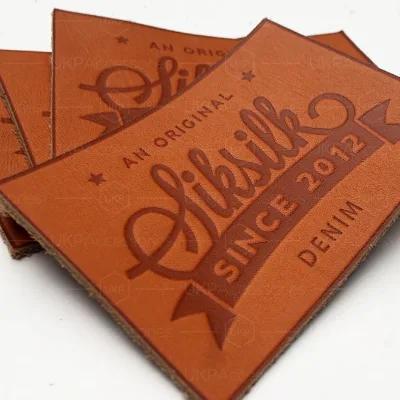
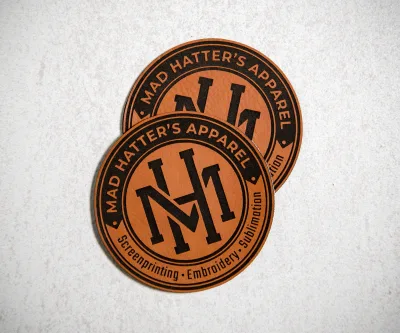


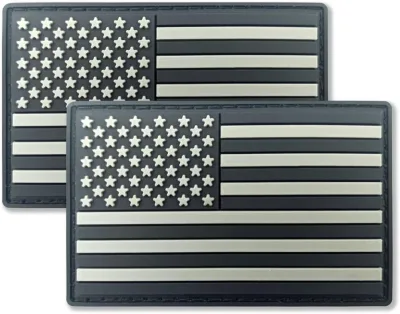


Comprehensive Sourcing Guide
Self Adhesive Leather Patches Sourcing Guide
Procuring self-adhesive leather patches requires careful evaluation of material authenticity and adhesive performance to ensure durability on diverse substrates. Buyers must verify that the leather is genuine or high-quality synthetic, as the product attributes indicate options ranging from standard embossed finishes to 3D textured designs. The availability of customization allows for tailored branding, but the adhesive strength must be tested against the specific fabric or material intended for application, such as hats, bags, or shoes.
The sourcing landscape reveals a mix of standard and custom-sized options, with observed maximum dimensions reaching up to 20 centimeters or 12 inches depending on the supplier. While some listings specify a fixed standard size of 4.5×5.5cm, others offer fully custom dimensions, necessitating clear communication of size requirements during the inquiry phase. Buyers should prioritize suppliers who explicitly support OEM design requests and provide samples to validate the stick-on style functionality before committing to larger orders.
Product Scope and Observed Listing Signals
The market for these patches includes distinct variations in labeling types, ranging from main labels to die-cut shapes that conform to specific design needs. Observed product attributes highlight features like waterproofing and eco-friendly materials, which are critical for brands targeting sustainable fashion or outdoor gear applications. The presence of specific color options such as black, white, and antique finishes suggests a broad aesthetic range, yet buyers must confirm that the custom color requests align with the supplier's actual dyeing capabilities.
Listing signals indicate that packaging varies significantly, with some suppliers offering single poly bags while others use bulk cartons for larger quantities. The observed minimum order quantities span from 50 pieces to 5000, reflecting the flexibility of the supply chain for both small startups and established manufacturers. Buyers should note that while some listings mention a single item selling unit, the commercial reality often involves bulk packaging to reduce shipping costs, requiring a clear understanding of the unit economics for the specific order volume.
Technical Specifications to Verify
Technical verification must begin with the physical dimensions and shape capabilities, as the observed data shows a maximum size limit of 20cm for some models and up to 12 inches for others. Buyers need to confirm whether the die-cut process can achieve the desired intricate shapes without compromising the structural integrity of the leather patch. The embossed and 3D features mentioned in the listings require specific tooling, so verifying the mold availability and the precision of the embossing process is essential for maintaining brand consistency.
Adhesive performance and backing material are equally critical technical factors that often lack detailed specification in general listings. While the product type is identified as a stick-on label, the specific adhesive formulation must be suitable for the intended application environment, whether it involves exposure to moisture, friction, or temperature fluctuations. Buyers should request technical data sheets that detail the peel strength and shear strength of the adhesive to ensure the patch remains securely attached during the product's lifecycle.
Compliance and Safety Documentation
Compliance verification is paramount when sourcing leather goods, particularly regarding the chemical composition of the leather and the adhesives used. Although some listings claim eco-friendly features, buyers must request specific documentation such as REACH compliance or restricted substance lists to validate these claims. The absence of explicit certification details in the provided facts means that relying on supplier assertions without third-party verification poses a significant risk for brands with strict sustainability mandates.
Safety standards for leather patches often involve testing for harmful substances like azo dyes or heavy metals, which can be present in the dyeing or tanning processes. Buyers should ensure that the supplier can provide test reports from accredited laboratories confirming that the products meet the safety regulations of the target market, such as the US or EU. Without these documents, the risk of regulatory non-compliance and potential product recalls increases, making it essential to treat safety documentation as a non-negotiable prerequisite for order placement.
Cost Drivers and Commercial Terms
Cost structures for self-adhesive leather patches are heavily influenced by the level of customization, including the complexity of the die-cut shapes and the specific embossing techniques required. The observed price range of 0.01 to 0.84 USD per unit suggests that volume and design complexity are primary drivers, with higher costs associated with intricate 3D designs or custom color matching. Buyers must analyze the total landed cost, including the sample fees which can be around 50 USD, to understand the full financial commitment before scaling production.
Commercial terms such as payment methods and lead times vary significantly among suppliers, with options like TT, PayPal, and Trade Assurance available. The observed sample order lead time of 7 days indicates a relatively quick turnaround for prototypes, but bulk production lead times are not explicitly defined in the provided data. Buyers should negotiate clear delivery schedules and define penalty clauses for delays, as the variability in production capacity can impact the overall supply chain timeline and inventory planning.
Supplier Qualification and Quality Control
Supplier qualification should focus on verifying the origin of the leather and the manufacturing capabilities of the facility, as the data indicates origins in both Shanghai and Guangdong, China. Buyers must assess whether the supplier has the necessary infrastructure to handle custom orders consistently, including the ability to maintain quality control across different batches. The mention of high-quality standards in listings is a marketing claim that requires validation through on-site audits or third-party quality inspections to ensure consistency.
Quality control protocols must be established to address potential defects such as uneven embossing, adhesive failure, or color inconsistencies. Buyers should implement a rigorous inspection plan that includes checking the fold type, specifically the straight cut, and verifying the single gross weight to ensure packaging accuracy. Establishing a clear acceptance criteria for defects and defining the process for handling non-conforming goods is essential to mitigate risks associated with variable production quality.
Long-Term Procurement Checks
Long-term procurement success depends on establishing a reliable supply chain that can scale with demand while maintaining consistent product quality. Buyers should monitor the supplier's ability to meet increasing order volumes without compromising the lead times or the quality of the leather patches. Regular communication and periodic quality audits are necessary to ensure that the supplier continues to adhere to the agreed-upon specifications and compliance standards over time.
Sustainability and ethical sourcing practices should be continuously evaluated as market expectations evolve and regulatory requirements tighten. Buyers must verify that the supplier's practices regarding material sourcing and labor conditions remain aligned with their corporate social responsibility goals. Building a partnership based on transparency and mutual growth will help mitigate supply chain disruptions and ensure a steady flow of high-quality self-adhesive leather patches for future product lines.
FAQs
Can I get custom sizes for leather patches?
Yes, custom sizes are available for leather patches, with maximum dimensions up to 20cm or 12 inches depending on the supplier. You can request specific shapes through die-cutting options. This flexibility allows you to tailor the label to your garment, shoe, or bag design requirements precisely.
What is the typical MOQ for these patches?
The minimum order quantity typically ranges from 50 to 5000 pieces, with common starting points at 50 or 100 pieces. This low entry point supports small batch production. Buyers should verify the specific MOQ with the manufacturer, as it varies by customization level and production capacity.
How long does sample production take?
Sample orders generally require a lead time of seven days. This quick turnaround supports rapid design validation. While sample fees may apply, the fast production cycle ensures you can approve the embossed or 3D leather patch quality before committing to a larger bulk manufacturing order.
What materials and features are used?
These patches are made from leather and feature eco-friendly, waterproof, and 3D embossed designs. They are available in colors like black, white, antique silver, and antique copper. The material ensures durability for applications on hats, toys, blankets, and bags while maintaining a premium aesthetic finish.
Are OEM designs and logos accepted?
Yes, OEM designs and customized logos are fully accepted. Manufacturers support stick-on styles and main label applications. You can provide your specific artwork for die-cut shapes. This service allows brands to create unique, branded leather tags that align with their specific identity and product requirements.
What packaging options are provided?
Standard packaging includes individual OPP bags or poly bags, with bulk quantities packed in larger bags or cartons. Specific configurations like 100 pieces per big bag or 300 per carton are common. This ensures safe transport and organization for your inventory management and distribution needs.